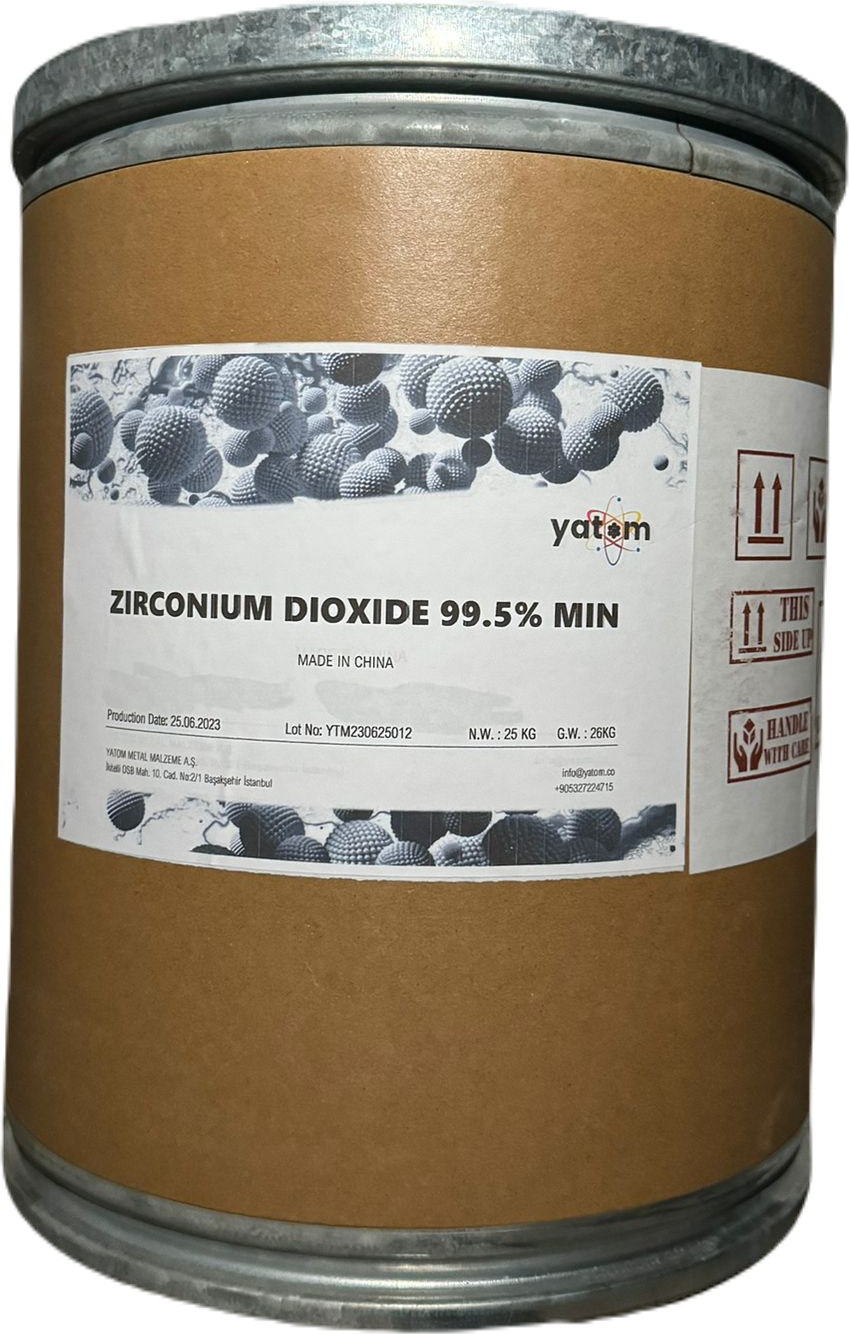
Description
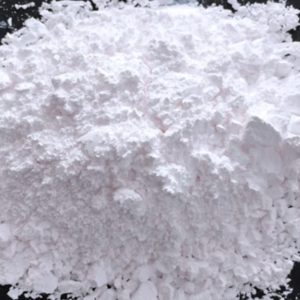
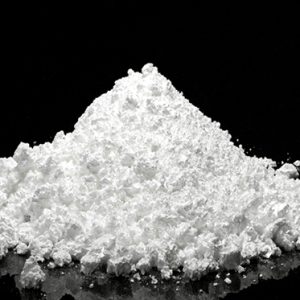
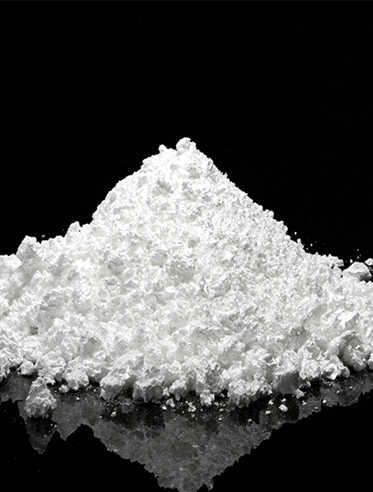
Zirconium Oxide (Monoclinic) is a form of zirconia found in the monoclinic phase of zirconia crystals. This form is known for its high-temperature resistance and mechanical properties, but its stability changes with temperature. Monoclinic zirconia is typically used in high-temperature applications and in challenging industrial conditions. The monoclinic phase exhibits lower thermal stability and higher expansion compared to other zirconia phases, making it preferable in specific temperature ranges. Monoclinic zirconia’s strong mechanical properties and durability make it suitable for metalworking, ceramic production, and industrial applications. It can also be used in biomedical applications, such as dental prosthetics and other implants.
Product Features:
High-temperature resistance
Strong mechanical properties
Monoclinic phase structure
High thermal expansion coefficient
Suitable for industrial and biomedical applications
Easy to process
Applications:
Ceramic Production: Used in ceramic products requiring high temperature and durability.
Metalworking: Used in metalworking and metal casting processes.
Biomedical Applications: Dental prostheses, implants, and other biomedical devices.
High-Temperature Applications: Used in systems exposed to thermal stress.
Industrial Applications: Used in machines and equipment working under challenging conditions.
Zirconium Oxide (ZrO₂) Properties:
- High Thermal Stability: Resistant to high temperatures.
- Chemical Resistance: Withstands acids, alkalis, and molten metals.
- Mechanical Strength: Offers excellent hardness and wear resistance.
- Ion Conductivity: Provides electrical conductivity at high temperatures, making it ideal for applications like fuel cells.
Zirconium Oxide Phases:
- Monoclinic Phase (M):
- Stable at low temperatures (up to ~1170°C).
- Offers high mechanical strength but undergoes volume changes during phase transformations.
- Tetragonal Phase (T):
- Stable between 1170–2370°C.
- Crucial for durability and fracture toughness. Can be stabilized at lower temperatures with stabilizers (e.g., yttria).
- Cubic Phase (C):
- Stable above 2370°C.
- Exhibits high electrical conductivity, making it valuable for fuel cells and electrochemical applications.